
Tag: Faith

  • The Leaven: Hidden Influence

    The Leaven: Hidden Influence

    In our journey through Refined by Fire, we’ve explored the foundational role of faith in entering the Kingdom of God, as seen in parables like the Sower and the Mustard Seed (Posts 3 and 7). Now, as we revisit Part 1: Faith and the Kingdom of God, we turn to the Parable of the Leaven (Matthew 13:33), a subtle yet powerful illustration of the Kingdom’s transformative influence through faith. This parable, part of Jesus’ teachings in Matthew 13, reveals how the Kingdom of God works quietly but pervasively in the hearts of believers, shaping lives for eternity. Let’s unpack this hidden truth and discover how our faith can influence every part of our lives for God’s glory.

    The Transformative Power of the Kingdom

    In the 1st-century Galilean setting of Matthew 13, Jesus taught the crowds by the Sea of Galilee, using parables to reveal the mysteries of the Kingdom (Matthew 13:2, “And great crowds gathered about him, so that he got into a boat and sat down”). The Parable of the Leaven, though brief, carries profound meaning: “The kingdom of heaven is like leaven that a woman took and hid in three measures of flour, till it was all leavened” (Matthew 13:33, ESV). In this cultural context, leaven (yeast) was a common household item, used to make bread rise, but it worked slowly and invisibly, transforming the dough over time. Jesus uses this imagery to show how the Kingdom of God, through faith, permeates a believer’s life, quietly but powerfully changing them from within. The “three measures of flour” likely allude to a large quantity (about 50 pounds), emphasizing the Kingdom’s expansive influence—starting small but affecting everything. Arnold Fruchtenbaum notes, “The leaven represents the Kingdom’s subtle yet pervasive growth, a mystery hidden until revealed through Christ” (Israelology, 1994, p. 623).1 This aligns with Dual-Realm Dispensationalism, where the Kingdom of God operates now through faith (Colossians 1:13), preparing us for the Kingdom of Heaven (Revelation 20:6). The parable calls us to let faith transform every part of our lives, just as leaven transforms the dough.

    The Woman’s Hidden Work

    The woman in the parable, a 1st-century Galilean homemaker, represents the believer who receives the Kingdom’s influence through faith. Her act of hiding the leaven in the flour mirrors how faith often works quietly—through prayer, obedience, and trust in God’s Word—yet its impact is profound. In Galilee, where Jesus taught, daily life revolved around such tasks as baking bread, a process familiar to His audience. The woman’s work was not flashy but essential, much like the Spirit’s sanctifying work in us. John 4:24 reminds us, “God is spirit, and those who worship him must worship in spirit and truth” (ESV). Just as the leaven permeated the dough, our faith, empowered by the Spirit, should permeate our thoughts, actions, and relationships, transforming us into vessels for God’s glory. H.A. Ironside reflects, “The leaven of the Kingdom works silently, but its influence is unstoppable, shaping lives for eternity” (Matthew, 1920, p. 145).2 The woman’s hidden work challenges us to let faith influence every corner of our lives, even the unseen places.

    Practical Application: Transforming Through Faith

    The Parable of the Leaven calls us to let faith transform every aspect of our lives, just as leaven transforms the dough. In our modern context, this means allowing the Kingdom’s influence to shape our daily choices—how we treat others, how we steward our time, and how we worship. Galatians 5:22-23 describes the fruit of the Spirit: “But the fruit of the Spirit is love, joy, peace, patience, kindness, goodness, faithfulness, gentleness, self-control” (ESV). By cultivating these qualities through faith, we become agents of the Kingdom’s transformative power in our families, workplaces, and communities. For example, a kind word to a struggling coworker or a patient response in a tense situation can reflect the Kingdom’s influence, quietly transforming relationships. John Walvoord notes, “The Kingdom’s growth through faith is a mystery, but its impact is undeniable, shaping believers for eternity” (The Bible Knowledge Commentary, 1983, p. 48).3 Transform through faith—let your faith influence every part of your life, reflecting the Kingdom’s power.

    More to Explore

    The Leaven challenges us to let faith transform every part of our lives. Upcoming posts will explore how love (Luke 10:25-37) and readiness (Matthew 24:45-47) in the Kingdom of God now lead to glory in the Kingdom of Heaven. Stay tuned—God’s Word holds treasures (2 Timothy 3:16), and for a deeper dive, look forward to Refined by Fire, a forthcoming book exploring these truths across 24 chapters, deepening your journey in the Kingdom of God and Heaven (Ephesians 2:10).

    Endnotes

    1. Arnold Fruchtenbaum, Israelology: The Missing Link in Systematic Theology (Tustin, CA: Ariel Ministries, 1994), 623.
    2. H.A. Ironside, Expository Notes on the Gospel of Matthew (Neptune, NJ: Loizeaux Brothers, 1920), 145.
    3. John Walvoord, The Bible Knowledge Commentary: New Testament (Wheaton, IL: Victor Books, 1983), 48.
  • The Mustard Seed: Kingdom Growth

    A Seed in Galilee

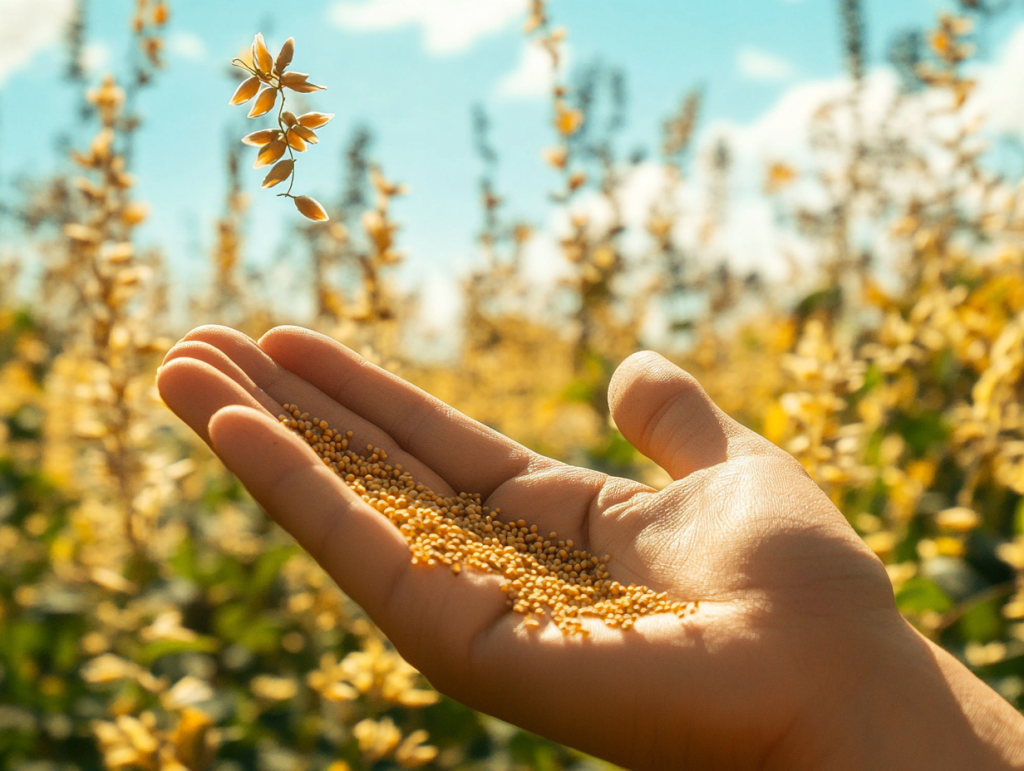
    In a Galilean field near Capernaum, a farmer held a tiny mustard seed, barely noticeable in his palm (Matthew 13:31, “The kingdom of heaven is like a grain of mustard seed that a man took and sowed in his field”). The rolling hills, dotted with wildflowers as described by ancient travelers like Josephus (Wars of the Jews, Book 3), framed this scene—a humble setting for Jesus’ teaching. Yet, this seed’s potential revealed human doubt: small beginnings often seem insignificant. Christ’s parable offers hope through growth. Dual-Realm Dispensationalism unveils this Sod (סוֹד, Strong’s H5475: hidden secret), showing how faith in the Kingdom of God now (Colossians 1:13, “transferred us to the kingdom of his beloved Son”) grows into the expansive Kingdom of Heaven (Revelation 20:6). Charles Ryrie writes, “The Mustard Seed illustrates the kingdom’s growth from humble origins to global impact” (Dispensationalism, 2007, p. 145). Trust humbly—small faith yields great growth.

    The Seed’s Growth

    The mustard seed, though “the smallest of all seeds”, grew into a plant so large that “the birds of the air come and make nests in its branches” (Matthew 13:32). Botanists note the black mustard plant (Brassica nigra), common in Judea, can grow 10-12 feet, towering over other herbs. This growth mirrors the Kingdom of Heaven’s expansion—from a small band of disciples to a global faith (Acts 1:8, “you will be my witnesses… to the end of the earth”). The kingdom begins in the heart (John 3:3, “unless one is born again he cannot see the kingdom of God”), but its fruit reaches far (Matthew 5:16, “let your light shine before others”). David Guzik reflects, “The kingdom grows through faithful witness, small acts compounding into eternity” (Matthew Commentary, 2013, p. 56). Grow steadily—your faith expands God’s kingdom.

    The Kingdom of God Now

    The Kingdom of God, accessed by faith (Ephesians 2:8-9, “by grace you have been saved through faith”), starts small but grows through Spirit-led works (Colossians 1:10, “bearing fruit in every good work”). The mustard seed’s growth reflects this—believers, rooted in the Kingdom of God now, bear fruit that prepares for the Kingdom of Heaven (Revelation 20:6, “they will reign with him for a thousand years”). The birds nesting symbolize the kingdom’s reach, offering shelter to all (Isaiah 11:9, “the earth shall be full of the knowledge of the Lord”). Shine brightly—your faith, though small, can shelter many.

    The Centurion’s Seed of Faith

    A centurion in Capernaum planted a small seed of faith (Matthew 8:5-13). He sought Jesus to heal his servant, saying, “Lord… only say the word, and my servant will be healed” (Matthew 8:8). Jesus marveled, “with no one in Israel have I found such faith” (Matthew 8:10), and the servant was healed. Chuck Smith observes, “His faith, though small, grew into a testimony of God’s power” (The Gospel of Matthew, 1982, p. 45). This seed of faith entered the Kingdom of God (John 3:16, “whoever believes in him should not perish”), a model for growth. Believe simply—your small faith can grow mighty.

    Hope for the Kingdom of Heaven

    The mustard plant’s growth foreshadows the Kingdom of Heaven, where Christ’s reign brings global glory (Revelation 20:4). The Rapture marks this transition (1 Thessalonians 4:17, “caught up… to meet the Lord in the air”), leading to the millennial kingdom where believers reign (Revelation 20:6). John MacArthur writes, “The kingdom’s growth culminates in Christ’s return, a hope for every believer” (The MacArthur New Testament Commentary: Matthew, 1989, p. 347). This hope inspires us to plant seeds now, ensuring rewards later. Hope confidently—your faith today grows into eternity.

    More to Explore

    The Mustard Seed challenges us—are we planting seeds of faith? Upcoming posts will explore how love (Luke 10:25-37) and readiness (Matthew 24:45-47) in the Kingdom of God now lead to glory in the Kingdom of Heaven. Stay tuned—God’s Word holds treasures (2 Timothy 3:16), and for a deeper dive, look forward to Refined by Fire, a forthcoming book exploring these truths across 24 chapters, deepening your journey in the Kingdom of God and Heaven (Ephesians 2:10).

  • The Parable of the Sower: Faith’s Foundation

    A Sower in Galilee

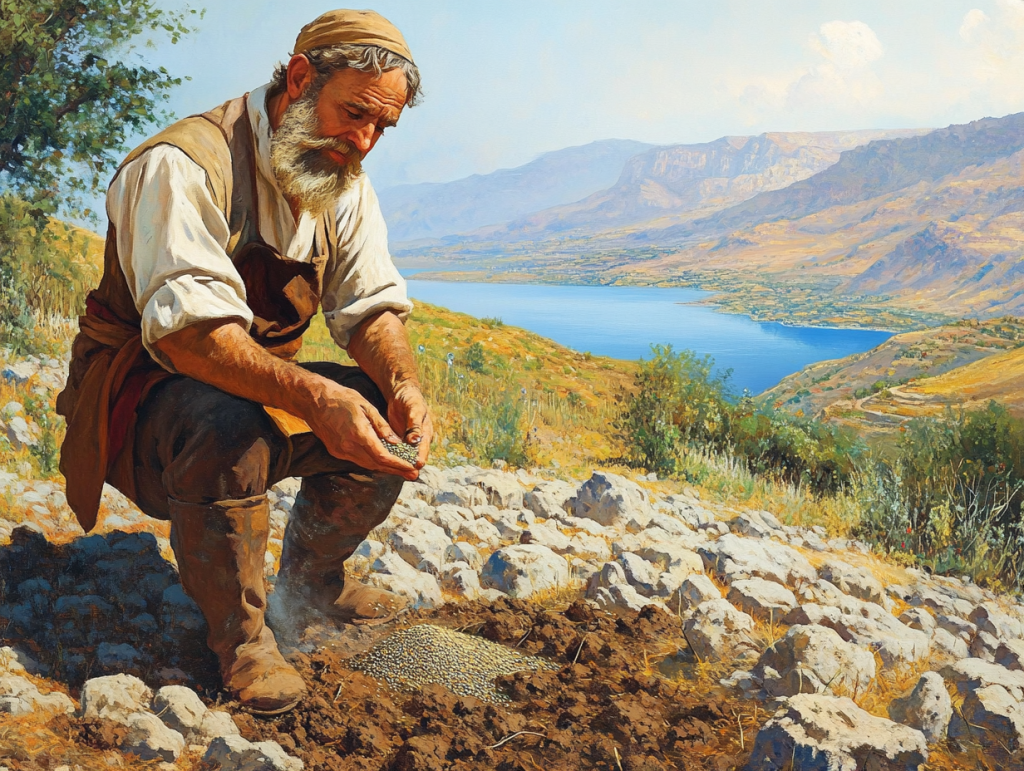
    In the bustling region of Galilee, a farmer walked through fields near Capernaum, scattering seeds with practiced hands (Matthew 13:3, “A sower went out to sow”). The Sea of Galilee glimmered nearby, its shores alive with fishermen and merchants, a fitting backdrop for Jesus’ teaching. Yet, the soils—rocky, thorny, fertile—revealed a deeper truth: not all hearts receive God’s Word equally. This parable, spoken to a crowd on the shore (Matthew 13:2), exposes human failure to heed the gospel, but Christ’s grace offers hope. Dual-Realm Dispensationalism unveils this Sod (סוֹד, Strong’s H5475: hidden secret), showing how faith plants us in the Kingdom of God now (Colossians 1:13, “transferred us to the kingdom of his beloved Son”), preparing us for the Kingdom of Heaven later (Revelation 20:6). Charles Ryrie notes, “The Sower parable underscores the varied responses to the gospel, a foundational truth for kingdom theology” (Dispensationalism, 2007, p. 112). Believe now—let the Word take root in fertile soil.

    The Seed and the Soils

    The sower’s seeds fell on four soils, each revealing a heart’s response to God’s Word (Matthew 13:4-8). The path, hardened by foot traffic, let birds snatch the seed—Satan stealing truth from unyielding hearts (Matthew 13:19). Rocky ground sprouted quickly but withered under the sun—shallow faith fading amid trials (Matthew 13:20-21). Thorny ground choked the seed with weeds—worldly cares stifling growth (Matthew 13:22). But the good soil yielded a harvest, thirty, sixty, a hundredfold—true faith bearing fruit (Matthew 13:23). Chuck Smith observes, “The good soil represents a heart prepared by the Spirit, ready to receive and act on God’s Word” (The Gospel of Matthew, 1982, p. 87). This parable teaches that entering the Kingdom of God requires a receptive heart (John 3:3, “unless one is born again he cannot see the kingdom of God”), a faith that endures.

    The Kingdom of God Now

    The good soil reflects faith that enters the Kingdom of God now (Colossians 1:13). This spiritual kingdom, accessed by grace through faith alone (Ephesians 2:8-9, “by grace you have been saved through faith”), is where believers live in the Church Age. The Sower’s harvest foreshadows the Kingdom of Heaven’s rewards (Matthew 25:21, “Well done, good and faithful servant”), but the focus here is present faith. Fruchtenbaum emphasizes, “The Kingdom of God is a present reality for those who believe, shaping their walk today” (Israelology, 1989, p. 321). A fertile heart yields fruit—righteousness, peace, joy in the Holy Spirit (Romans 14:17)—preparing us for future glory. Sow faithfully—let your faith grow deep roots in God’s kingdom today.

    The Centurion’s Faith

    A Roman centurion in Capernaum exemplified good soil (Matthew 8:5-13). Approaching Jesus, he sought healing for his servant, declaring, “Lord… only say the word, and my servant will be healed” (Matthew 8:8). His faith, rooted in humility and trust, amazed Jesus: “Truly, I tell you, with no one in Israel have I found such faith” (Matthew 8:10). Skip Heitzig reflects, “The centurion’s faith crossed cultural barriers, showing the universal reach of the Kingdom of God” (The Gospel of Matthew, 2005, p. 45). This faith entered the Kingdom of God now (John 3:16, “whoever believes in him should not perish”), a model for us. Trust fully—let your faith mirror his, unshaken by storms.

    The Rapture’s Connection

    The Sower’s harvest hints at the Rapture’s role in bridging the kingdoms (1 Thessalonians 4:17, “caught up together… to meet the Lord in the air”). Good soil yields fruit now, preparing believers for the Kingdom of Heaven’s rewards (Revelation 20:6). Tim LaHaye notes, “The Rapture separates the Church Age from the Tribulation, ushering us into Christ’s reign” (The Rapture, 2002, p. 67). The centurion’s faith foreshadows this hope—those who believe now will reign later (2 Timothy 2:12, “if we endure, we will also reign with him”). Prepare now—your faith today shapes your eternity tomorrow.

    More to Explore

    The Sower’s soils challenge us to examine our hearts—are we fertile ground for God’s Word? Upcoming posts will explore how Spirit-led works (Galatians 5:22-23) in the Kingdom of God now produce lasting fruit for the Kingdom of Heaven. Stay tuned—Scripture holds treasures (2 Timothy 3:16), waiting to be uncovered by faith.