Tag: Refined by Fire

  • The Faithful Servants: Ready for Judgment

    Introduction

    Our journey through Refined by Fire has revealed the transformative power of faith (Post 8), the sacrificial works of seeking the Kingdom (Post 9), and the call to love in action (Post 10). Now, we return to Part 3: Judgment at the Bema Seat, focusing on readiness for judgment through faithful service. The Parable of the Faithful Servants (Matthew 24:45-51), part of Jesus’ Olivet Discourse, emphasizes the importance of being prepared for the Master’s return, a lesson that prepares us for the Bema Seat’s evaluation of our works. This parable challenges us to live diligently in the Kingdom of God now, ensuring our works endure the fire of judgment and lead to glory in the Kingdom of Heaven. Let’s explore this call to readiness and learn how to serve faithfully as we await Christ’s return.

    The Call to Faithful Service

    In the 1st-century Judean setting of Matthew 24, Jesus taught His disciples on the Mount of Olives, answering their questions about the end times (Matthew 24:3, “Tell us, when will these things be, and what will be the sign of your coming and of the end of the age?”). In the Parable of the Faithful Servants, Jesus said, “Who then is the faithful and wise servant, whom his master has set over his household, to give them their food at the proper time? Blessed is that servant whom his master will find so doing when he comes” (Matthew 24:45-46, ESV). In this context, households often had servants responsible for managing daily tasks, such as providing food for the family. The faithful servant diligently fulfills his duties, knowing the master could return at any moment. Jesus contrasts this with the wicked servant, who abuses his authority and is unprepared for the master’s return, facing judgment (Matthew 24:48-51). This parable points to the Bema Seat, where our works in the Kingdom of God now (Colossians 1:13) will be evaluated (2 Corinthians 5:10), determining our rewards in the Kingdom of Heaven (Revelation 22:12). J. Dwight Pentecost writes, “The faithful servant’s readiness reflects a heart prepared for the Bema Seat, where works are tested” (Things to Come, 1958, p. 148).1 The parable calls us to serve faithfully, always ready for Christ’s return.

    The Servant’s Diligent Work

    The faithful servant’s diligence—providing food at the proper time—represents the Spirit-led works we’re called to in the Kingdom of God now. In a 1st-century Judean household, this task was critical, ensuring the family’s well-being, and required constant vigilance. The servant’s readiness reflects a heart aligned with the Master’s will, prepared for His return. 1 Peter 4:10 instructs, “As each has received a gift, use it to serve one another, as good stewards of God’s varied grace” (ESV). The faithful servant’s diligence contrasts with the wicked servant’s negligence, showing that readiness for judgment requires consistent, faithful service. At the Bema Seat, our works will be tested (2 Corinthians 5:10), and only those done in the Spirit will endure. H.A. Ironside notes, “The faithful servant’s diligence ensures a reward, while negligence leads to loss” (Matthew, 1920, p. 298).2 The servant’s diligent work challenges us to serve faithfully in all we do, preparing for the Master’s return with a heart of readiness.

    Practical Application: Serving with Readiness

    The Parable of the Faithful Servants calls us to serve with readiness, ensuring our works in the Kingdom of God now are faithful and enduring. In our modern context, this means living with an eternal perspective, serving diligently in whatever role God has placed us. Titus 2:7 urges, “Show yourself in all respects to be a model of good works, and in your teaching show integrity, dignity” (ESV). Practically, this might look like faithfully fulfilling your responsibilities at work, even when no one is watching, or serving in your church with consistency, whether through teaching, hospitality, or prayer. For example, preparing a meal for a family in need or regularly praying for your community can be acts of faithful service, reflecting readiness for Christ’s return. John Walvoord writes, “Readiness for the Bema Seat requires diligent service, ensuring our works endure the fire” (The Bible Knowledge Commentary, 1983, p. 78).3 Be faithful—serve diligently, preparing for the Bema Seat’s judgment.

    More to Explore

    The Faithful Servants challenge us to serve with readiness, preparing for the Bema Seat. Our next post will explore how Spirit-led works lead to eternal rewards (1 Corinthians 3:14), concluding our initial series with a focus on glory in the Kingdom of Heaven. Stay tuned—God’s Word holds treasures (2 Timothy 3:16), and for a deeper dive, look forward to Refined by Fire, a forthcoming book exploring these truths across 24 chapters, deepening your journey in the Kingdom of God and Heaven (Ephesians 2:10).

    Endnotes

    1. J. Dwight Pentecost, Things to Come (Grand Rapids: Zondervan, 1958), 148.
    2. H.A. Ironside, Expository Notes on the Gospel of Matthew (Neptune, NJ: Loizeaux Brothers, 1920), 298.
    3. John Walvoord, The Bible Knowledge Commentary: New Testament (Wheaton, IL: Victor Books, 1983), 78.

  • Uncovering the Hidden Treasure

    Introduction

    As we continue our journey through Refined by Fire, we’ve seen how faith transforms us, much like the leaven in the Kingdom of God (Post 8). Now, we return to Part 2: Spirit-Led Works in This Age, exploring how our works in the Kingdom of God now prepare us for the Kingdom of Heaven. The Parable of the Hidden Treasure (Matthew 13:44), another gem from Jesus’ teachings in Matthew 13, reveals the incomparable value of the Kingdom and the sacrificial works required to pursue it. This parable challenges us to prioritize the Kingdom above all else, giving everything to gain its eternal rewards. Let’s dive into this hidden treasure and discover how our Spirit-led works can reflect a heart fully devoted to God’s Kingdom.

    The Value of the Kingdom

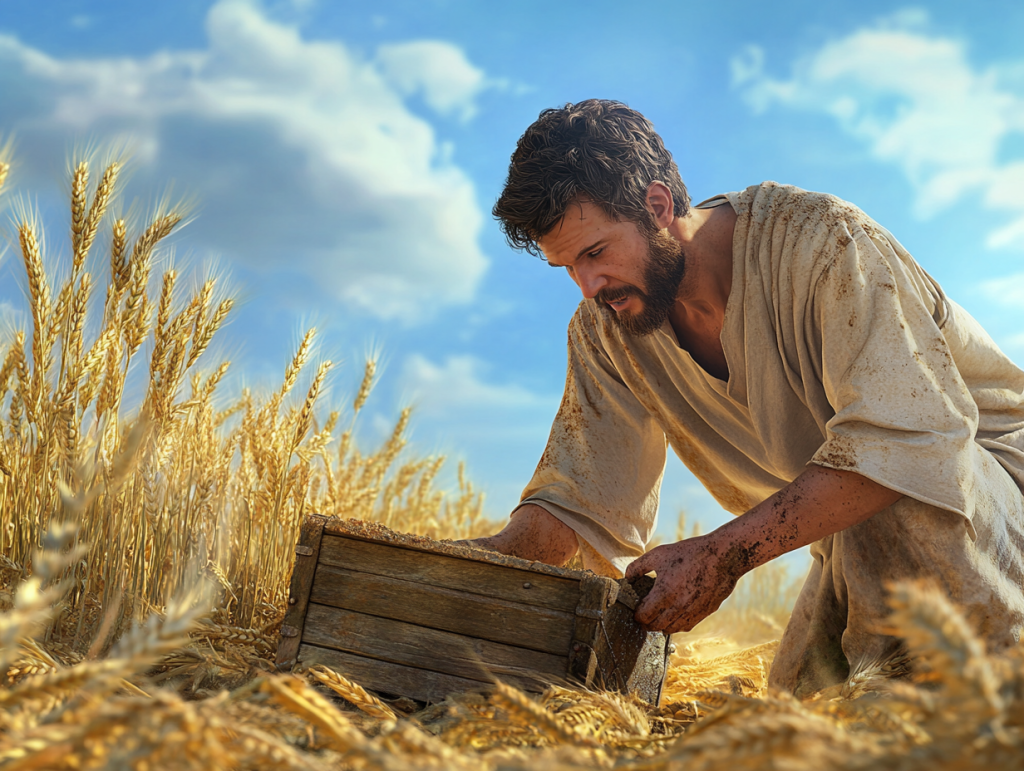
    In the 1st-century Galilean context of Matthew 13, Jesus taught the crowds by the Sea of Galilee, using parables to unveil the mysteries of the Kingdom (Matthew 13:2, “And great crowds gathered about him, so that he got into a boat and sat down”). The Parable of the Hidden Treasure is strikingly concise yet profound: “The kingdom of heaven is like treasure hidden in a field, which a man found and covered up. Then in his joy he goes and sells all that he has and buys that field” (Matthew 13:44, ESV). In this agrarian society, fields were often places where treasures—coins, jewelry, or family heirlooms—were buried for safekeeping, especially during times of war or upheaval. The man in the parable, likely a laborer or tenant farmer, stumbles upon such a treasure while working the land. Recognizing its immense value, he joyfully sells all he has to buy the field, securing the treasure for himself. Jesus uses this imagery to show the surpassing worth of the Kingdom of Heaven—it’s a treasure so valuable that it’s worth giving up everything to obtain. This aligns with Dual-Realm Dispensationalism, where our works in the Kingdom of God now (Colossians 1:13) prepare us for the eternal rewards of the Kingdom of Heaven (Revelation 22:12). J. Dwight Pentecost writes, “The Kingdom of Heaven is a treasure worth more than all earthly possessions, a prize that demands our all” (Things to Come, 1958, p. 142).1 The parable calls us to recognize the Kingdom’s value and pursue it with wholehearted devotion.

    The Man’s Joyful Sacrifice

    The man in the parable represents the believer who discovers the Kingdom’s worth and responds with joyful sacrifice. His actions—selling all he has to buy the field—reflect a radical commitment to the Kingdom, driven not by obligation but by joy. In 1st-century Galilee, selling all one’s possessions was a significant act, often leaving a person with nothing but the field they purchased. Yet the man does so “in his joy”, showing that the treasure’s value far outweighs the cost. This mirrors the Spirit-led works we’re called to in the Kingdom of God now—works of sacrifice, service, and devotion that prepare us for the Kingdom of Heaven. Matthew 6:33 instructs us, “But seek first the kingdom of God and his righteousness, and all these things will be added to you” (ESV). The man’s joyful sacrifice challenges us to prioritize the Kingdom above all else, trusting that God will provide for our needs. H.A. Ironside notes, “The joy of the Kingdom’s discovery leads to a willing surrender of all, for its value is eternal” (Matthew, 1920, p. 146).2 Like the man, we’re called to let the Spirit guide our works, sacrificing earthly comforts for the eternal treasure of the Kingdom.

    Practical Application: Seeking the Kingdom Through Works

    The Parable of the Hidden Treasure calls us to seek the Kingdom through Spirit-led works, prioritizing its eternal value above all else. In our modern context, this means reorienting our lives—our time, resources, and priorities—around the Kingdom. Philippians 3:8 captures this mindset: “Indeed, I count everything as loss because of the surpassing worth of knowing Christ Jesus my Lord” (ESV). Practically, this might look like giving generously to support a ministry, even when it stretches your budget, or dedicating time to serve others, even when it means sacrificing personal comfort. For example, volunteering at a local shelter or mentoring a young believer can be acts of joyful sacrifice, reflecting a heart that values the Kingdom above all. Norman Geisler writes, “The Kingdom’s worth demands our all, for its rewards are eternal” (Systematic Theology, 2002, p. 683).3 Seek the treasure—prioritize the Kingdom, sacrificing all for its eternal value.

    More to Explore

    The Hidden Treasure challenges us to seek the Kingdom through sacrificial works. Our next post will explore how love (Luke 10:25-37) in the Kingdom of God now leads to glory in the Kingdom of Heaven, followed by a focus on readiness (Matthew 24:45-47). Stay tuned—God’s Word holds treasures (2 Timothy 3:16), and for a deeper dive, look forward to Refined by Fire, a forthcoming book exploring these truths across 24 chapters, deepening your journey in the Kingdom of God and Heaven (Ephesians 2:10).

    Endnotes

    1. J. Dwight Pentecost, Things to Come (Grand Rapids: Zondervan, 1958), 142.
    2. H.A. Ironside, Expository Notes on the Gospel of Matthew (Neptune, NJ: Loizeaux Brothers, 1920), 146.
    3. Norman Geisler, Systematic Theology (Minneapolis: Bethany House, 2002), 683.

  • The Leaven: Hidden Influence

    The Leaven: Hidden Influence

    In our journey through Refined by Fire, we’ve explored the foundational role of faith in entering the Kingdom of God, as seen in parables like the Sower and the Mustard Seed (Posts 3 and 7). Now, as we revisit Part 1: Faith and the Kingdom of God, we turn to the Parable of the Leaven (Matthew 13:33), a subtle yet powerful illustration of the Kingdom’s transformative influence through faith. This parable, part of Jesus’ teachings in Matthew 13, reveals how the Kingdom of God works quietly but pervasively in the hearts of believers, shaping lives for eternity. Let’s unpack this hidden truth and discover how our faith can influence every part of our lives for God’s glory.

    The Transformative Power of the Kingdom

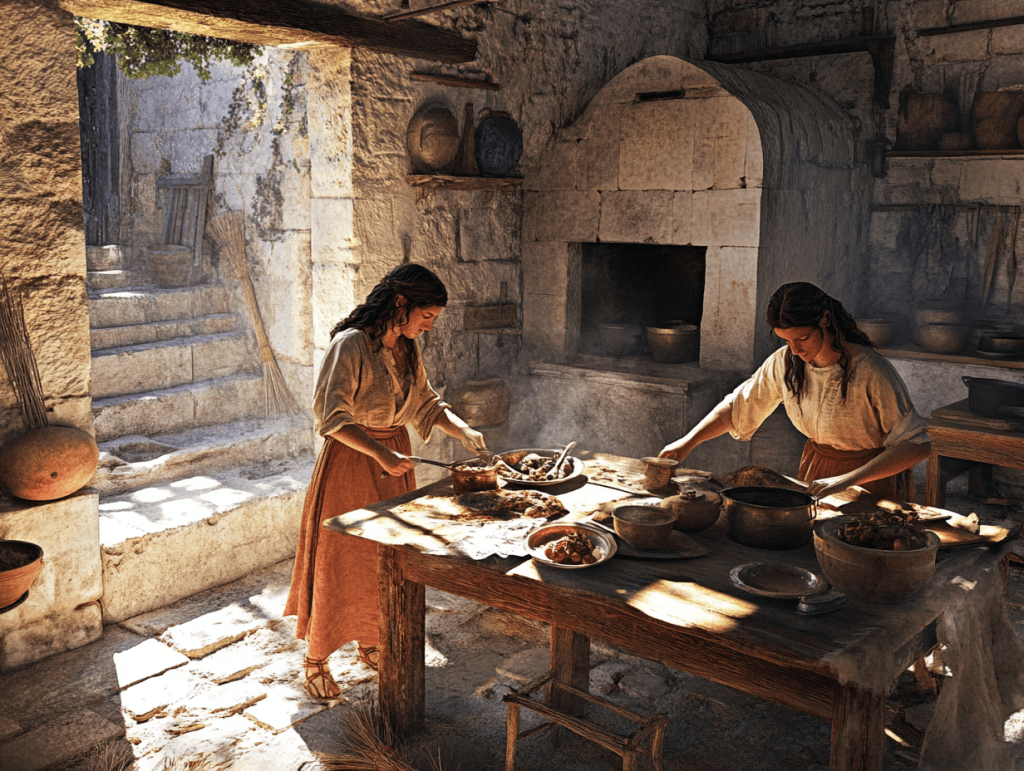
    In the 1st-century Galilean setting of Matthew 13, Jesus taught the crowds by the Sea of Galilee, using parables to reveal the mysteries of the Kingdom (Matthew 13:2, “And great crowds gathered about him, so that he got into a boat and sat down”). The Parable of the Leaven, though brief, carries profound meaning: “The kingdom of heaven is like leaven that a woman took and hid in three measures of flour, till it was all leavened” (Matthew 13:33, ESV). In this cultural context, leaven (yeast) was a common household item, used to make bread rise, but it worked slowly and invisibly, transforming the dough over time. Jesus uses this imagery to show how the Kingdom of God, through faith, permeates a believer’s life, quietly but powerfully changing them from within. The “three measures of flour” likely allude to a large quantity (about 50 pounds), emphasizing the Kingdom’s expansive influence—starting small but affecting everything. Arnold Fruchtenbaum notes, “The leaven represents the Kingdom’s subtle yet pervasive growth, a mystery hidden until revealed through Christ” (Israelology, 1994, p. 623).1 This aligns with Dual-Realm Dispensationalism, where the Kingdom of God operates now through faith (Colossians 1:13), preparing us for the Kingdom of Heaven (Revelation 20:6). The parable calls us to let faith transform every part of our lives, just as leaven transforms the dough.

    The Woman’s Hidden Work

    The woman in the parable, a 1st-century Galilean homemaker, represents the believer who receives the Kingdom’s influence through faith. Her act of hiding the leaven in the flour mirrors how faith often works quietly—through prayer, obedience, and trust in God’s Word—yet its impact is profound. In Galilee, where Jesus taught, daily life revolved around such tasks as baking bread, a process familiar to His audience. The woman’s work was not flashy but essential, much like the Spirit’s sanctifying work in us. John 4:24 reminds us, “God is spirit, and those who worship him must worship in spirit and truth” (ESV). Just as the leaven permeated the dough, our faith, empowered by the Spirit, should permeate our thoughts, actions, and relationships, transforming us into vessels for God’s glory. H.A. Ironside reflects, “The leaven of the Kingdom works silently, but its influence is unstoppable, shaping lives for eternity” (Matthew, 1920, p. 145).2 The woman’s hidden work challenges us to let faith influence every corner of our lives, even the unseen places.

    Practical Application: Transforming Through Faith

    The Parable of the Leaven calls us to let faith transform every aspect of our lives, just as leaven transforms the dough. In our modern context, this means allowing the Kingdom’s influence to shape our daily choices—how we treat others, how we steward our time, and how we worship. Galatians 5:22-23 describes the fruit of the Spirit: “But the fruit of the Spirit is love, joy, peace, patience, kindness, goodness, faithfulness, gentleness, self-control” (ESV). By cultivating these qualities through faith, we become agents of the Kingdom’s transformative power in our families, workplaces, and communities. For example, a kind word to a struggling coworker or a patient response in a tense situation can reflect the Kingdom’s influence, quietly transforming relationships. John Walvoord notes, “The Kingdom’s growth through faith is a mystery, but its impact is undeniable, shaping believers for eternity” (The Bible Knowledge Commentary, 1983, p. 48).3 Transform through faith—let your faith influence every part of your life, reflecting the Kingdom’s power.

    More to Explore

    The Leaven challenges us to let faith transform every part of our lives. Upcoming posts will explore how love (Luke 10:25-37) and readiness (Matthew 24:45-47) in the Kingdom of God now lead to glory in the Kingdom of Heaven. Stay tuned—God’s Word holds treasures (2 Timothy 3:16), and for a deeper dive, look forward to Refined by Fire, a forthcoming book exploring these truths across 24 chapters, deepening your journey in the Kingdom of God and Heaven (Ephesians 2:10).

    Endnotes

    1. Arnold Fruchtenbaum, Israelology: The Missing Link in Systematic Theology (Tustin, CA: Ariel Ministries, 1994), 623.
    2. H.A. Ironside, Expository Notes on the Gospel of Matthew (Neptune, NJ: Loizeaux Brothers, 1920), 145.
    3. John Walvoord, The Bible Knowledge Commentary: New Testament (Wheaton, IL: Victor Books, 1983), 48.